



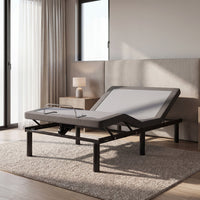
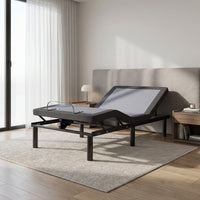
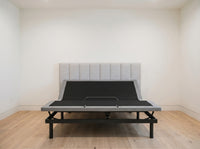
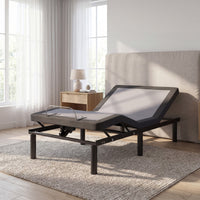






"Zero-gravity" sounds like marketing. It's the position most adjustable-bed ads point to for back pain, and it's fair to be skeptical of a space-sounding name slapped on a bed. So let's skip the hype and look at what the position actually does to your body — because once you understand the mechanism, you can decide for yourself whether it'll help your back.
Where the name comes from (and why it matters)
The position came out of NASA. When astronauts launch, they're put in a specific posture — head and knees raised, body in a relaxed V — because it spreads the force of liftoff evenly across the body instead of loading any one part. In that posture, your spine isn't being compressed by your own body weight the way it is when you stand or lie flat. That's the "weightless" feeling. The name isn't just branding; it describes what the position does — it takes the load off.
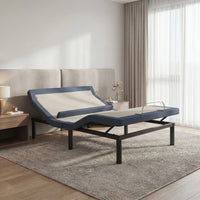
An adjustable bed recreates that same V: head up a little, knees and feet up a little, hips at the low point. The question is what that does for a sore lower back.

What lying flat does to your lower back
Start with the problem. When you lie flat on your back, two things happen to your lumbar spine:
- Your body weight presses your spine straight down into the mattress, keeping it under constant compression all night.
- Your lower back has a natural inward curve, and flat lying leaves a gap there with nothing supporting it — so the muscles around your lumbar stay slightly engaged trying to hold the curve, instead of relaxing.
That combination — compression plus unsupported curve — is why a lot of people wake up stiff in the lower back even after a full night's "rest." The spine never actually got to decompress.
What the zero-gravity position changes
Now raise the head and the knees into that V. Three things shift:
1. The load comes off your lower spine. With your weight distributed across the incline instead of pressing straight down, the lumbar vertebrae aren't being compressed the same way. People describe the lower back finally feeling like it "lets go." 2. The natural curve gets supported. Bending slightly at the hips and knees lets your lower back settle into a neutral shape instead of being flattened out, so the muscles around it can stop working and relax. 3. Pressure spreads off your hips and tailbone. The same redistribution that helps the spine also takes pressure off the bony points you'd otherwise be grinding into the mattress.
That's the mechanism. It's not magic and it's not a cure — it's leverage. You're using the bed's angle to stop gravity from compressing your spine for eight hours. For a lot of people with everyday lower-back stiffness, that's the difference between waking up sore and waking up okay.
Who it tends to help — and who it won't
Likely to help: general lower-back stiffness and achiness, the kind that's worse after lying flat; people who already notice a recliner feels better than their bed; tension that eases when you bend your knees.
Less likely to be the answer on its own: sharp, specific, or radiating pain (down a leg, with numbness or tingling), or pain from a known structural issue. The position may still feel more comfortable, but that kind of pain is a medical question, not a mattress one.
How to set it
Zero-gravity isn't one fixed angle — it's a relationship between head and feet. A starting point:
- Raise the head ~10–15 degrees.
- Raise the knees/feet a bit more than you think you need — the leg lift is what unloads the lower back, and most people under-do it.
- The sweet spot is where your lower back feels like it releases. Adjust a few degrees over a few nights until you find it, then save it as a preset so you're not re-finding it nightly.
A note worth keeping
The zero-gravity position is a comfort and positioning tool. It can genuinely make sleeping with lower-back stiffness more comfortable by decompressing the spine — but it's not a treatment, and if your back pain is severe, persistent, or comes with numbness, tingling, or leg weakness, that's a conversation for a doctor, not a bed setting.
The setup that does it properly
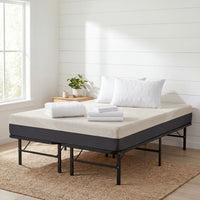
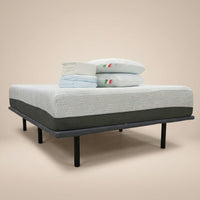
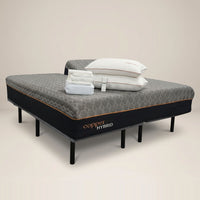
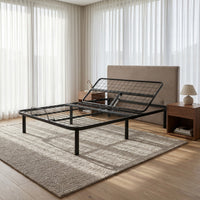
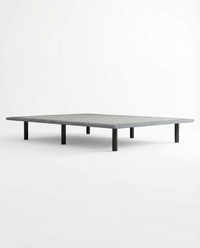
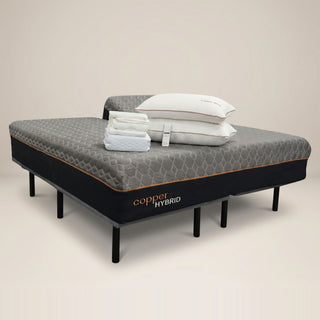
Zero-gravity only works if your base raises head and feet independently — head-only bases can't make the V. Our adjustable bases all do both, and our OS5 and Rise 600 models add memory presets so you can save your zero-G position. The Rise 600 goes further with dedicated lumbar support built into the base — and any of them pairs with a hybrid that supports the lumbar in that position instead of letting it sag.

See the Rise 600 Adjustable Base
Zero-gravity preset and dedicated lumbar support — factory-direct from Phoenix.
See the Rise 600 Adjustable Base — zero-gravity preset + lumbar support →The name's a little theatrical. The mechanism is real: stop compressing your spine all night, and your lower back usually thanks you for it.
Comfort and positioning vary by person. Adjustable positioning is not a treatment for any medical condition; for persistent pain, reflux, or sleep issues, talk to your doctor.

