







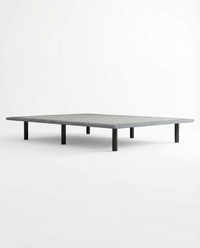





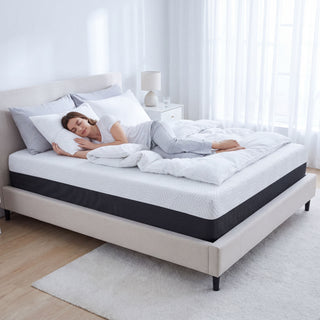



You raise the head of the bed to read. You feel it before you see it: the corner of the fitted sheet lets go with a soft snap, slides up, and balls itself behind your shoulders. You tuck it back. By morning it's loose again. Every single night.
It is one of the most annoying things about owning an adjustable bed, and it makes people think they bought the wrong bed. You didn't. You bought the wrong sheets for it — and that's a five-minute fix, not a five-hundred-dollar one.
Here's exactly why it happens and how to stop it for good.
What's actually going on
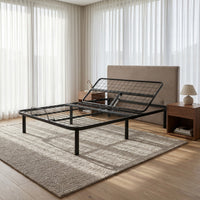
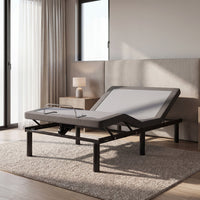
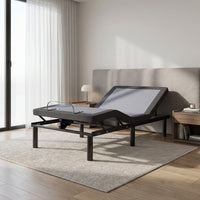
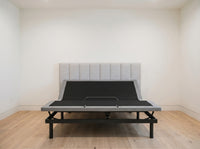
A flat bed never moves, so a fitted sheet only has to survive you climbing in and out. An adjustable bed bends — the head lifts, the foot lifts, the mattress flexes in the middle. Every time it articulates, the surface the sheet is stretched across gets longer. The corners are the weak point. When the elastic and the pocket depth can't cover that extra length, the corner pops.
So the sheet isn't defective. It's just being asked to do a job it was never cut for. Standard sheets are designed for a mattress that holds one shape. An adjustable mattress changes shape a dozen times a night.
Once you see it that way, the fix is obvious: you need a sheet built for a moving, flexing bed.

The three things that make a sheet stay put
Not all "adjustable-friendly" sheets are equal. Three specs do the actual work. Get these right and the popping stops.
1. Deep pockets. This is the big one. The pocket is how far the sheet wraps under the mattress. A standard pocket is around 7–10 inches. An adjustable mattress — especially a hybrid that's 12 inches or more — needs a 14–16 inch deep pocket so there's enough fabric to stay anchored when the bed bends. Shallow pocket on a thick flexing mattress is the number-one reason corners let go.
2. Real elastic — all the way around. Cheaper sheets only run elastic across the corners. The good ones wrap a continuous elastic band around the entire perimeter, so the whole sheet hugs down instead of relying on four stress points.
3. The right size for a split base. If you sleep on a split king or split California king — two separate bases that move independently — a single king flat sheet will fight both halves every time one side raises. You want a split-top design (or two Twin XL sets) made to move with each base. This is the part most people get wrong, because the store sold them "king" sheets for a bed that isn't really acting like one king.
A quick comparison so this sticks
| Standard sheets | Sheets built for an adjustable bed | |
|---|---|---|
| Pocket depth | ~7–10" | 14–16" |
| Elastic | corners only | full perimeter |
| Split base | one flat sheet fights both sides | split-top / dual Twin XL |
| Result | pops off nightly | stays tucked through every position |
If your current set is in the left column, no amount of re-tucking fixes it. The bed will win.
The fastest fix: match the whole bedding to the bed at once
You can chase this one piece at a time — buy deep-pocket sheets, then realize the old protector bunches up too, then notice your pillows slide off when the head's raised. Most people make two or three separate orders before everything finally agrees with the bed.
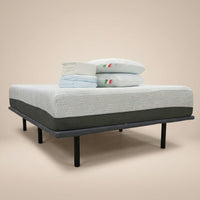
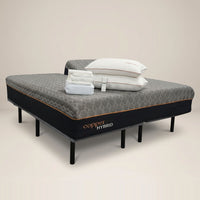
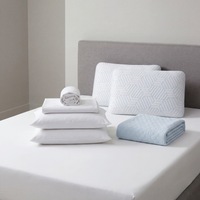
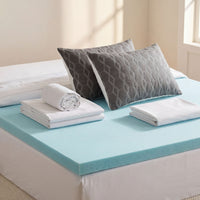
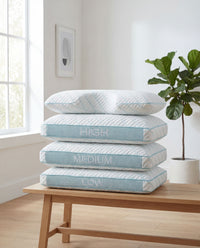
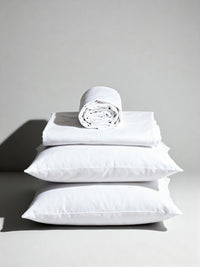
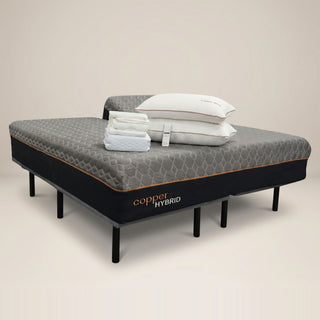
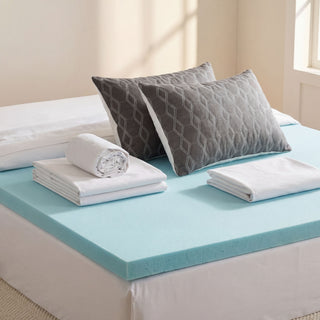
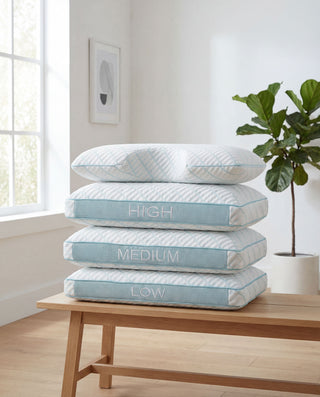
The shortcut is to kit the bed as a system in one shot. Our Complete Bedding Bundle is built for exactly this: 14–16" deep-pocket sheets with full-perimeter elastic, a protector that flexes with the mattress instead of bunching, and pillows sized for a bed that moves. Split-king and split-CK options come correctly sized so you're not fighting two bases with one sheet.
It's $159 (Queen) — about a $190 retail value — for the protector, sheets, and pillows together, sized for an adjustable bed in one delivery instead of three separate orders chasing the right parts.

Get the Complete Bedding Bundle
Deep-pocket sheets, protector and pillows sized for adjustable beds.
Get the Complete Bedding Bundle — deep-pocket sheets, protector & pillows, sized for adjustable beds →A couple of honest extras
Two small things that help even with the right sheets:
- Make the bed flat, then move it. Put the sheet on with the base lowered all the way. Tuck the corners with the bed flat so the fabric has maximum slack to give when it raises.
- Sheet suspenders are a band-aid, not a cure. Those clip-on straps can buy you a night, but they're hiding the real problem — a pocket that's too shallow. Fix the pocket and you won't need them.
When to just replace them
If your sheets are popping off more than once a night, are shallower than ~12 inches, or you're on a split base with a single flat sheet — replace them. You'll spend more in aggravation re-tucking a $40 set for a year than you would solving it once. A bed you paid good money for should feel made every morning, not wrestled every night.

